Smoothies can be one of the easiest ways to enjoy a healthy breakfast or snack, especially when you are trying to lose weight and maintain steady energy. With the right balance of protein, fiber, and healthy fats, a smoothie can keep you full for hours instead of causing a sugar crash. In this guide, you will discover healthy smoothie recipes for weight loss and energy, along with clear tips to build your own balanced blends.
If you want a complete overview of breakfast options, you can also explore the main guide Healthy Breakfast Recipes (Ultimate Guide). For more protein-focused ideas, read High-Protein Healthy Breakfast Recipes for Busy Mornings and for batch planning, visit Healthy Meal Prep Breakfast Recipes for the Week.
To make all these smoothies quickly and efficiently, a reliable blender and a few basic kitchen tools are extremely helpful. You can find practical blenders, measuring cups, and storage jars here: recommended kitchen equipment on Amazon.
Table of Contents
Why Smoothies Are Great for Weight Loss and Energy
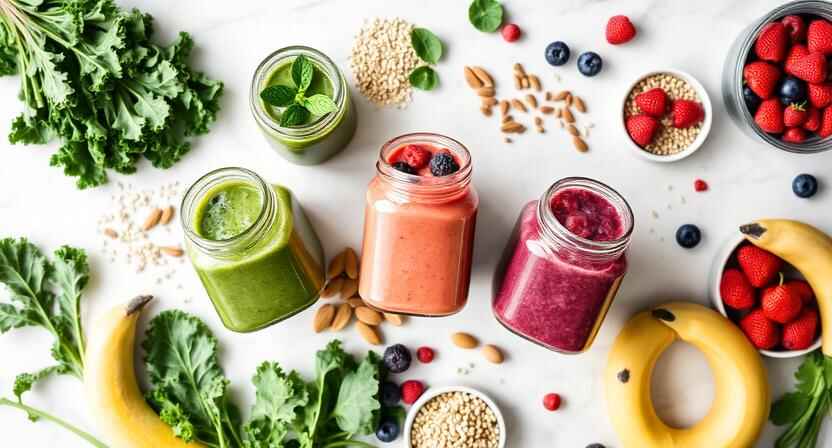
Healthy smoothies can support weight loss and sustained energy when they are built with the right components. Instead of relying on sugary mixes or juice-heavy recipes, focus on whole ingredients that provide:
- Fiber to keep you full and support digestion
- Protein to stabilize appetite and preserve muscle mass
- Healthy fats to support hormonal balance and long-lasting energy
- Micronutrients like vitamins, minerals, and antioxidants
According to Healthline, smoothies can be very healthy when they contain a balanced mix of whole fruits, vegetables, protein sources, and healthy fats instead of added sugars or syrups. The Mayo Clinic also suggests that blending fruits and vegetables can be a convenient way to increase fiber intake, which is important for weight management.
The Perfect Formula for a Healthy Smoothie
To create a smoothie that supports weight loss and energy, use this simple structure:
- Liquid base: water, unsweetened almond milk, or milk
- Fiber-rich carbohydrates: fruit (berries, banana, mango), oats
- Protein source: Greek yogurt, protein powder, cottage cheese, silken tofu
- Healthy fats: nut butter, avocado, chia seeds, flaxseeds
- Extra nutrients: spinach, kale, spices (cinnamon, ginger), cocoa powder
When you balance these components, your smoothie feels more like a full meal than a drink, which is ideal if you use it as a breakfast or lunch replacement.
Common Mistakes in Smoothie Recipes
1. Too Much Fruit and Not Enough Protein
Fruit is healthy, but too much of it without protein or fat can lead to blood sugar spikes followed by energy crashes. To make smoothies more balanced, always include a source of protein and fat.
2. Using Fruit Juices as the Base
Fruit juices are usually high in sugar and low in fiber. Instead of juice, use water or unsweetened plant-based milks and rely on whole fruits for sweetness and fiber.
3. Adding Too Many High-Calorie Extras
Ingredients like sweetened yogurts, flavored syrups, or large amounts of nut butter can quickly increase calorie content. For weight loss, keep portions controlled and choose unsweetened versions whenever possible.
4. Not Measuring Ingredients
“Pouring by eye” can lead to bigger portions than you think. Measuring ingredients—especially fats and calorie-dense extras—helps keep smoothies aligned with your goals.
Measuring cups, spoons, and blender-friendly containers can make this easier. You can find simple sets here: basic kitchen measuring tools.
Key Ingredients for Weight-Loss Smoothies
Some ingredients are especially useful when you want smoothies that are filling but not excessively high in calories:
- Leafy greens (spinach, kale): low-calorie, high-nutrient
- Berries (strawberries, blueberries, raspberries): high in fiber, lower in sugar than some other fruits
- Greek yogurt: rich in protein and probiotics
- Protein powder: very useful when you want a full meal replacement
- Chia seeds and flaxseeds: add fiber and omega-3 fats
- Unsweetened almond milk: low in calories compared to regular milk
- Banana (in controlled portion): texture and natural sweetness
For deeper nutritional data on these foods, consult sources such as EatingWell or Medical News Today.
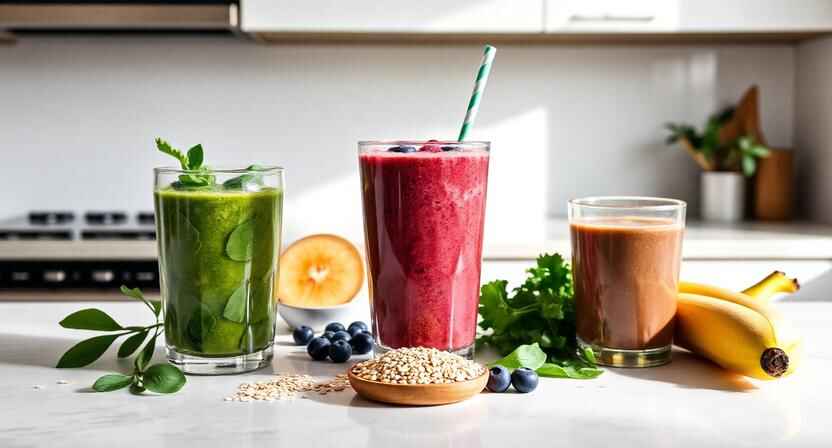
3 Healthy Smoothie Recipes for Weight Loss & Energy
The following recipes focus on protein, fiber, and balanced carbohydrates. They can be used as breakfast, light lunch, or post-workout meals.
Recipe 1: Green Protein Smoothie for Steady Energy
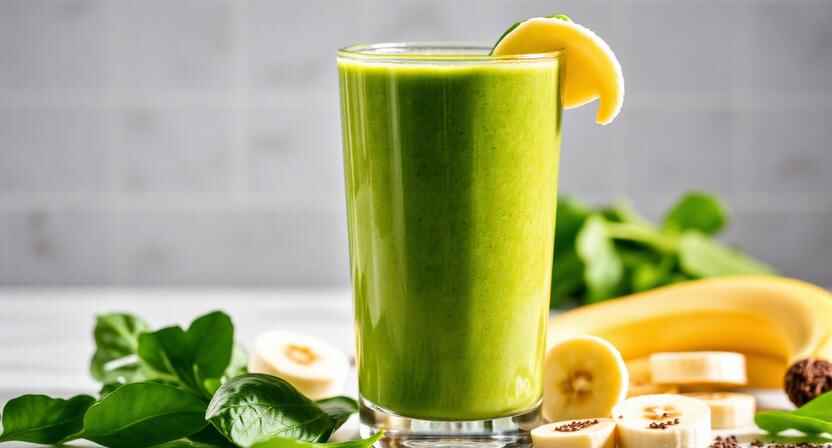
This smoothie combines leafy greens, fruit, and protein for a satisfying and energizing meal.
Ingredients
- 1 cup unsweetened almond milk
- 1 scoop vanilla protein powder
- 1 cup fresh spinach
- 1/2 banana
- 1/2 cup frozen pineapple or mango
- 1 tablespoon chia seeds
- Ice cubes (optional, for texture)
Directions
- Add almond milk, protein powder, and spinach to the blender first.
- Add banana, pineapple or mango, and chia seeds.
- Blend until smooth and creamy. Add ice cubes if you want a thicker texture.
Nutrition Facts (Approximate, per serving)
| Calories | 320 |
| Protein | 25 g |
| Carbohydrates | 38 g |
| Fat | 8 g |
Using a strong blender helps break down leafy greens completely for a smooth texture. You can find different blender options and smoothie-friendly containers here: smoothie blenders and jars on Amazon.
Recipe 2: Berry Oat Breakfast Smoothie
This smoothie is designed to feel like a full breakfast. Oats add fiber and extra thickness, making it more satisfying and ideal for busy mornings.
Ingredients
- 1 cup unsweetened almond milk or low-fat milk
- 1/2 cup frozen mixed berries
- 1/4 cup rolled oats
- 1/2 cup plain Greek yogurt
- 1 teaspoon honey or maple syrup (optional)
Directions
- Add milk, oats, and Greek yogurt to the blender.
- Add the frozen berries and honey (if using).
- Blend until smooth. If it is too thick, add a bit more milk; if too thin, add a little more oats and blend again.
Nutrition Facts (Approximate, per serving)
| Calories | 350 |
| Protein | 20 g |
| Carbohydrates | 50 g |
| Fat | 7 g |
For more high-protein breakfast ideas beyond smoothies, you can explore High-Protein Healthy Breakfast Recipes for Busy Mornings, which includes yogurt bowls, egg dishes, and more.
Recipe 3: Chocolate Peanut Butter Protein Smoothie
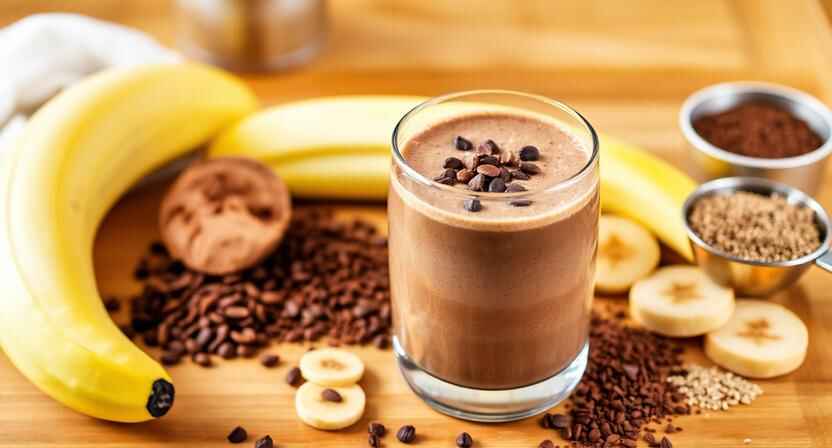
This recipe is perfect if you crave something more dessert-like but still want a healthy, high-protein option that supports weight goals when portioned correctly.
Ingredients
- 1 cup unsweetened almond milk
- 1 scoop chocolate protein powder
- 1 tablespoon peanut butter or almond butter
- 1/2 frozen banana
- 1 tablespoon ground flaxseeds or chia seeds
- Ice cubes (optional)
Directions
- Add almond milk and protein powder to the blender.
- Add peanut butter, banana, and flaxseeds or chia seeds.
- Blend until smooth, adding ice for a thicker, colder smoothie.
Nutrition Facts (Approximate, per serving)
| Calories | 400 |
| Protein | 30 g |
| Carbohydrates | 35 g |
| Fat | 15 g |
Remember to measure nut butter, as it is calorie-dense. Measuring spoons and cups make portion control easier. You can find sets here: measuring tools and small utensils.
Comparison Table: Smoothies for Weight Loss & Energy
The table below provides a simple comparison of the three smoothies described above.
| Smoothie | Approx. Calories | Approx. Protein | Best For |
|---|---|---|---|
| Green Protein Smoothie | 320 | 25 g | All-purpose meal, steady energy |
| Berry Oat Breakfast Smoothie | 350 | 20 g | Breakfast replacement, busy mornings |
| Chocolate Peanut Butter Protein Smoothie | 400 | 30 g | Post-workout, dessert-style meal |
Tips to Turn Smoothies into a Weekly Routine
To rely on smoothies regularly without stress, you can turn them into part of your meal prep routine. This is especially useful if you are already following the ideas from Healthy Meal Prep Breakfast Recipes for the Week.
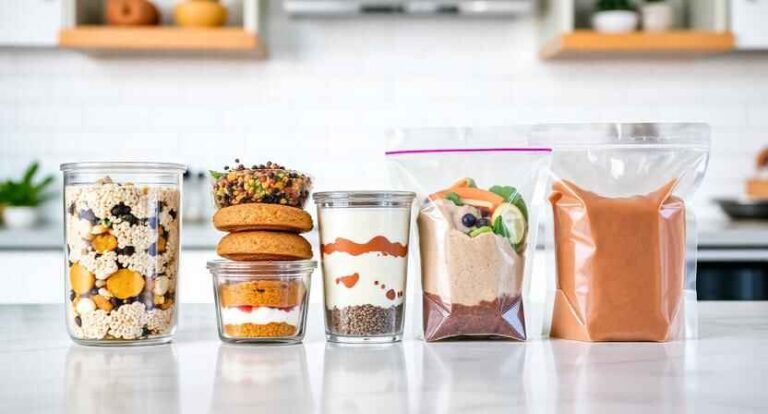
- Prepare smoothie packs: portion fruit, greens, and seeds in freezer bags. In the morning, just add liquid and protein source and blend.
- Keep a list of favorite combinations: this avoids decision fatigue when you are tired or in a rush.
- Store ingredients together: keep your blender, protein powder, seeds, and measuring tools in one easy-access area.
- Use good containers: a tight-lid travel cup or jar makes it easy to take smoothies on the go.
Blender-safe cups and portable jars can make smoothie mornings faster and cleaner. You can find many options here: smoothie cups and storage jars.
How Smoothies Fit into a Healthy Breakfast Routine
Smoothies can be a full breakfast on their own when they contain enough protein, fiber, and healthy fats. They also combine well with other options like boiled eggs, whole grain toast, or a small bowl of oatmeal if you need more calories or are very active.
To build a complete breakfast routine, you can rotate between smoothie-based breakfasts, high-protein plates, and make-ahead options. Combining the ideas from this article with recipes from Healthy Breakfast Recipes (Ultimate Guide) and High-Protein Healthy Breakfast Recipes for Busy Mornings makes it easier to stay consistent.
Conclusion
Healthy smoothie recipes for weight loss and energy are not complicated. With a few basic ingredients and a good blender, you can create satisfying blends in just a few minutes. The key is to balance protein, fiber, and healthy fats while keeping added sugars under control.
Use this guide as a base and adapt recipes to your personal preferences and goals. If you want a broader view of morning meals, visit Healthy Breakfast Recipes (Ultimate Guide) and explore how smoothies fit with other breakfast ideas on your journey to healthier eating.
Finally, if you want to upgrade your tools to make smoothie preparation faster and more enjoyable, you can explore blenders, containers, and measuring sets here: kitchen equipment for smoothie prep.
FAQ
1. Are smoothies really good for weight loss?
Yes, smoothies can support weight loss when they are built with whole ingredients, controlled portions, and enough protein and fiber to keep you full. Avoid recipes with lots of added sugars, syrups, or juice bases.
2. How often can I drink smoothies?
You can drink smoothies daily if they are balanced and fit into your calorie and nutrient needs. Many people use them as breakfast or a light lunch.
3. Do I need protein powder in every smoothie?
No, but a protein source is important. You can use Greek yogurt, cottage cheese, tofu, or milk instead of protein powder if you prefer whole-food options.
4. Can smoothies replace a full meal?
Yes, if they contain enough protein, fiber, and healthy fats. For a full meal replacement, aim for a smoothie with 20–30 grams of protein and a mix of carbohydrates and fats.
5. What equipment do I need to start making smoothies?
A basic blender is enough to begin. Over time, you may want to add travel cups, jars, and measuring tools to make preparation easier. You can find affordable and practical options here: blenders and kitchen tools on Amazon.