Starting your day with a nutritious breakfast sets the tone for everything that follows. Whether you’re rushing out the door, working from home, or enjoying a leisurely weekend morning, having a collection of healthy breakfast recipes at your fingertips makes it easier to fuel your body properly and maintain consistent energy throughout the day.
In this comprehensive guide, we’ll explore everything you need to know about creating delicious, nutritious breakfasts that fit your lifestyle. From quick high-protein breakfast ideas to make-ahead options perfect for weekly breakfast meal prep, you’ll discover practical solutions that work for real life. We’ll also dive into energizing smoothie recipes for weight loss and share expert tips to help you build sustainable breakfast habits.
Table of Contents
Why Breakfast Matters for Your Health
Breakfast isn’t just another meal—it’s the foundation that supports your metabolism, cognitive function, and overall well-being. When you eat a balanced breakfast, you’re providing your body with essential nutrients after an overnight fast, which typically lasts 8-12 hours.
Research consistently shows that people who eat breakfast tend to have better concentration, improved memory, and more stable blood sugar levels throughout the morning. A nutritious breakfast also helps prevent overeating later in the day by curbing mid-morning hunger pangs and reducing cravings for unhealthy snacks.
The key is choosing the right foods. A healthy breakfast should include a balance of complex carbohydrates, quality protein, healthy fats, and fiber. This combination provides sustained energy, keeps you feeling full, and supports various bodily functions from muscle maintenance to hormone production.
Common Breakfast Challenges and How to Overcome Them
Problem: No Time in the Morning
Many people skip breakfast simply because they feel rushed. Between getting ready for work, preparing kids for school, or managing a hectic morning routine, sitting down for a meal seems impossible.
The solution lies in preparation and choosing the right recipes. Healthy meal prep breakfast recipes allow you to prepare several days’ worth of meals in advance. Overnight oats, make-ahead egg muffins, and pre-portioned smoothie packs can be assembled in minutes when you’re ready to eat.
Problem: Getting Bored with the Same Foods
Eating the same breakfast every day leads to monotony and makes it tempting to skip breakfast altogether or grab something unhealthy on the go.
The solution is variety. This guide includes dozens of different recipes spanning multiple cuisines and flavor profiles. By rotating through different options each week, you’ll keep your taste buds interested while still maintaining healthy eating habits.
Problem: Feeling Hungry Again Too Soon
If your breakfast consists mainly of refined carbohydrates like white bread or sugary cereals, you’ll likely experience an energy crash within a couple of hours.
The solution is incorporating adequate protein and fiber. High-protein healthy breakfast recipes keep you satisfied longer by slowing digestion and stabilizing blood sugar levels. Aim for at least 15-20 grams of protein at breakfast.
Essential Components of a Healthy Breakfast
Understanding what makes a breakfast truly healthy helps you make better choices whether you’re following a recipe or creating your own combinations.
Quality Protein Sources
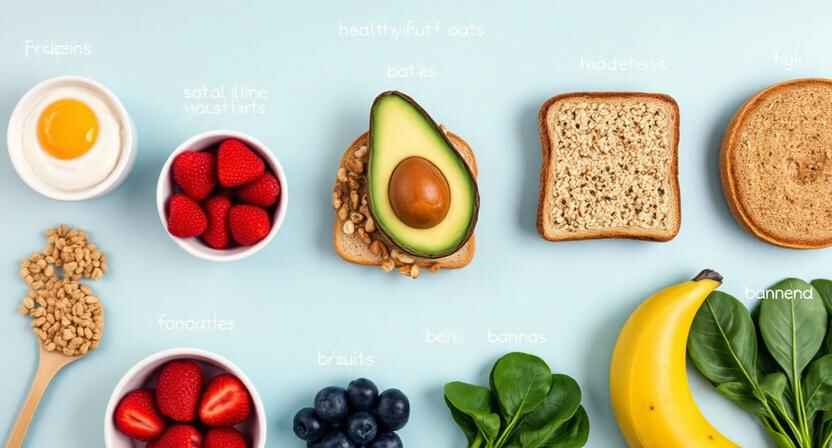
Protein is crucial for muscle maintenance, satiety, and steady energy. Excellent breakfast protein sources include eggs, Greek yogurt, cottage cheese, lean turkey or chicken, tofu, protein powder, nuts, and seeds. Including 20-30 grams of protein at breakfast can significantly impact your hunger levels and food choices throughout the day.
Complex Carbohydrates
Choose carbohydrates that provide sustained energy rather than quick spikes and crashes. Whole grain bread, oatmeal, quinoa, sweet potatoes, and fruits offer fiber and nutrients that refined grains lack. These foods digest more slowly, providing steady fuel for your morning activities.
Healthy Fats
Don’t fear fats at breakfast. Healthy fats from avocados, nuts, seeds, olive oil, and fatty fish support brain function, hormone production, and vitamin absorption. They also contribute to satiety, helping you feel full and satisfied.
Fruits and Vegetables
Adding produce to breakfast boosts your nutrient intake and helps you reach the recommended daily servings of fruits and vegetables. Berries, bananas, spinach, tomatoes, peppers, and mushrooms all work beautifully in breakfast dishes.
Breakfast Categories and When to Choose Each
| Breakfast Type | Best For | Prep Time | Protein Content |
|---|---|---|---|
| Egg-Based Dishes | High protein needs, muscle building | 5-15 minutes | High (12-20g per serving) |
| Smoothies | Quick mornings, post-workout | 5 minutes | Medium-High (10-25g with protein powder) |
| Oatmeal & Grains | Sustained energy, heart health | 10-20 minutes | Medium (8-15g with additions) |
| Make-Ahead Options | Busy weekdays, meal prep | 5 minutes to serve | Varies (10-25g) |
| Breakfast Bowls | Balanced nutrition, customization | 10-15 minutes | Medium-High (15-22g) |
Recipe 1: Power-Packed Veggie Egg Scramble
This versatile egg scramble delivers serious nutrition in under 10 minutes. Packed with vegetables and quality protein, it’s a perfect example of how simple ingredients can create a satisfying, healthy breakfast that keeps you energized for hours.
Ingredients
- 3 large eggs
- 2 tablespoons milk (dairy or non-dairy)
- 1 tablespoon olive oil
- 1/2 cup bell peppers, diced
- 1/2 cup mushrooms, sliced
- 1 cup fresh spinach
- 1/4 cup cherry tomatoes, halved
- 2 tablespoons feta cheese, crumbled
- 1/4 teaspoon garlic powder
- Salt and black pepper to taste
- Fresh herbs for garnish (optional)
Directions
- Crack eggs into a bowl, add milk, garlic powder, salt, and pepper. Whisk thoroughly until well combined and slightly frothy.
- Heat olive oil in a non-stick skillet over medium heat.
- Add bell peppers and mushrooms to the pan. Sauté for 3-4 minutes until vegetables begin to soften.
- Add spinach and cook for another minute until wilted.
- Pour the egg mixture over the vegetables, letting it spread evenly across the pan.
- Use a spatula to gently scramble the eggs, creating soft curds while incorporating the vegetables throughout.
- When eggs are nearly set but still slightly moist, add cherry tomatoes and remove from heat.
- Top with crumbled feta cheese and fresh herbs if desired.
- Serve immediately with whole grain toast or on its own.
Nutrition Facts (Per Serving)
| Nutrient | Amount |
|---|---|
| Calories | 285 |
| Protein | 21g |
| Carbohydrates | 8g |
| Fiber | 2g |
| Fat | 19g |
| Saturated Fat | 6g |
| Sodium | 380mg |
Recipe 2: Berry Protein Overnight Oats

Overnight oats are the ultimate make-ahead breakfast solution. This recipe combines the convenience of preparation-free mornings with the nutritional benefits of whole grains, protein, and antioxidant-rich berries.
Ingredients
- 1/2 cup rolled oats
- 1/2 cup unsweetened almond milk
- 1/3 cup plain Greek yogurt
- 1 scoop vanilla protein powder (about 25g)
- 1 tablespoon chia seeds
- 1 tablespoon honey or maple syrup
- 1/2 teaspoon vanilla extract
- 1/4 teaspoon cinnamon
- 1/2 cup mixed berries (blueberries, strawberries, raspberries)
- 2 tablespoons sliced almonds
- Pinch of salt
Directions
- In a mason jar or container with a lid, combine rolled oats, almond milk, Greek yogurt, and protein powder. Stir well to ensure protein powder is fully incorporated without lumps.
- Add chia seeds, honey, vanilla extract, cinnamon, and a pinch of salt. Mix thoroughly.
- Fold in half of the berries, reserving the rest for topping.
- Seal the container and refrigerate for at least 4 hours, or preferably overnight (8-12 hours).
- In the morning, give the oats a good stir. The mixture should be creamy and thick.
- Top with remaining fresh berries and sliced almonds.
- Enjoy cold, or microwave for 1-2 minutes if you prefer warm oats.
- Can be stored in the refrigerator for up to 4 days.
Nutrition Facts (Per Serving)
| Nutrient | Amount |
|---|---|
| Calories | 425 |
| Protein | 32g |
| Carbohydrates | 52g |
| Fiber | 10g |
| Fat | 11g |
| Saturated Fat | 2g |
| Sodium | 165mg |
Recipe 3: Green Goddess Breakfast Smoothie
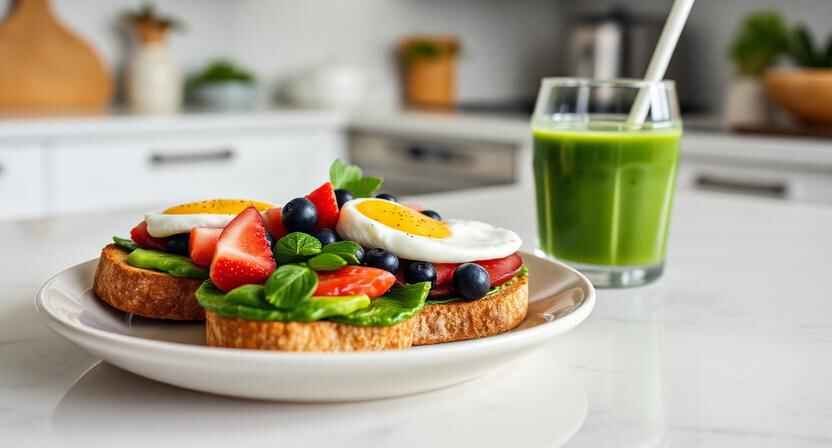
Smoothies offer unparalleled convenience for busy mornings while packing impressive nutritional value into a single glass. This green smoothie tastes surprisingly sweet and fruity despite being loaded with vegetables. For more variations, explore our healthy smoothie recipes for weight loss and energy.
Ingredients
- 2 cups fresh spinach, packed
- 1 medium banana, frozen
- 1/2 cup frozen mango chunks
- 1/2 medium avocado
- 1 scoop vanilla protein powder
- 1 tablespoon almond butter
- 1 tablespoon ground flaxseed
- 1 cup unsweetened almond milk
- 1/2 cup water
- 1 teaspoon honey (optional)
- Ice cubes as needed
Directions
- Add liquid ingredients first: pour almond milk and water into your blender.
- Add spinach and blend on high for 30 seconds until completely smooth and no leaf pieces remain.
- Add frozen banana, mango, avocado, protein powder, almond butter, and flaxseed.
- Blend on high for 60-90 seconds until completely smooth and creamy.
- Taste and add honey if additional sweetness is desired.
- If the smoothie is too thick, add more water or almond milk, 1/4 cup at a time.
- If too thin, add a few ice cubes or more frozen fruit and blend again.
- Pour into a large glass and enjoy immediately for best taste and texture.
Nutrition Facts (Per Serving)
| Nutrient | Amount |
|---|---|
| Calories | 395 |
| Protein | 28g |
| Carbohydrates | 45g |
| Fiber | 12g |
| Fat | 14g |
| Saturated Fat | 2g |
| Sodium | 285mg |
Building Your Perfect Breakfast Routine
Creating a sustainable breakfast routine requires more than just having good recipes—it’s about developing systems and habits that work with your lifestyle rather than against it.
Weekly Planning Strategy
Dedicate 15 minutes each weekend to plan your breakfasts for the upcoming week. Write down what you’ll eat each day, considering your schedule and energy needs. For busy mornings, schedule quick options or make-ahead meals. For relaxed days, plan something that requires more cooking time.
Keep a rotating menu of 10-15 favorite breakfast recipes so you’re never wondering what to make. This removes decision fatigue and ensures you always have variety without needing to constantly search for new ideas.
Smart Grocery Shopping
Stock your kitchen with breakfast staples that have long shelf lives and can be used across multiple recipes. Essential pantry items include oats, whole grain bread, nut butters, protein powder, nuts, seeds, and honey. In your refrigerator, always keep eggs, Greek yogurt, milk, and various fruits and vegetables.
When you shop, think in terms of components rather than complete meals. If you have eggs, vegetables, cheese, and bread, you can create dozens of different breakfasts simply by varying the combinations and preparation methods.
Meal Prep Techniques
Invest a couple of hours on Sunday preparing breakfast components for the week. Hard boil a dozen eggs, prep smoothie bags with pre-measured frozen fruits and vegetables, wash and chop fresh produce, and make a batch of overnight oats or egg muffins.
Store everything in clear, labeled containers so you can quickly grab what you need each morning. This system dramatically reduces morning stress and makes healthy eating the path of least resistance.
Breakfast Ideas for Different Dietary Needs
High-Protein Options
If building muscle, recovering from workouts, or simply staying fuller longer is your priority, focus on protein-rich breakfasts. Egg-based dishes, Greek yogurt parfaits with nuts, protein smoothies, and cottage cheese bowls all deliver 20-30 grams of protein per serving. These high-protein healthy breakfast options support muscle maintenance and provide lasting satiety.
Plant-Based Breakfasts
Vegetarian and vegan breakfast options are abundant and delicious. Tofu scrambles, chia pudding, oatmeal with nut butter, avocado toast with hemp seeds, and plant-based smoothies provide complete nutrition without animal products. Focus on combining different plant proteins to ensure you’re getting all essential amino acids.
Low-Carb and Keto-Friendly
For those following low-carb or ketogenic diets, emphasize eggs, cheese, avocados, nuts, seeds, and low-carb vegetables. Omelets, frittatas, egg muffins, chia pudding made with coconut milk, and smoothies using low-carb fruits like berries work beautifully within these dietary frameworks.
Gluten-Free Choices
Avoiding gluten doesn’t mean sacrificing taste or variety. Many naturally gluten-free foods make excellent breakfast options including eggs, yogurt, fruits, vegetables, quinoa, rice, certified gluten-free oats, and corn-based products. Just be mindful of cross-contamination when preparing foods.
Time-Saving Breakfast Hacks
The secret to consistent healthy breakfasts isn’t willpower—it’s creating systems that make the healthy choice the easy choice.
Kitchen Equipment That Makes a Difference
A high-powered blender transforms smoothie-making from a chore into a 60-second process. A good non-stick skillet makes egg preparation effortless and cleanup quick. Meal prep containers with compartments keep ingredients fresh and organized. A toaster oven provides versatility for quickly heating or preparing small portions.
Batch Cooking Strategies
Double or triple recipes whenever you cook breakfast. Make 12 egg muffins instead of 4. Prepare a large batch of granola that lasts weeks. Cook a big pot of steel-cut oats on Sunday and portion it out for quick reheating throughout the week. These small efforts multiply your efficiency dramatically.
Strategic Ingredient Substitutions
Learn which ingredients can substitute for others so you’re never stuck without a key component. Greek yogurt can replace sour cream or mayonnaise. Mashed banana can replace eggs in some recipes. Nut butters are largely interchangeable. This flexibility prevents last-minute grocery runs and keeps you on track.
Common Breakfast Mistakes to Avoid
Relying Too Heavily on Processed Foods
Pre-packaged breakfast bars, cereals, and pastries often contain excessive sugar, unhealthy fats, and minimal nutrition despite health-focused marketing. While convenient, they shouldn’t form the foundation of your breakfast routine. When you do choose processed options, read labels carefully and look for minimal ingredients, whole grains, and limited added sugars.
Not Eating Enough
A tiny breakfast might seem like a way to save calories, but it often backfires by triggering intense hunger and poor food choices later. Your breakfast should be substantial enough to carry you through your morning activities without constant hunger. Aim for 400-600 calories depending on your energy needs and goals.
Drinking Your Calories Without Nutrients
Fruit juice, sweetened coffee drinks, and sugary smoothies can pack hundreds of calories while providing little satiety or nutrition. If you enjoy beverages with breakfast, make them count by including protein powder, vegetables, healthy fats, and fiber rather than just sugar and empty calories.
Skipping Breakfast Entirely
While intermittent fasting works for some people, many individuals perform better with breakfast. If you’re constantly tired, experiencing mid-morning energy crashes, or struggling with concentration, try reintroducing a balanced breakfast for two weeks and notice how you feel. Your body may need that morning fuel.
Making Breakfast Work for Weight Management
Whether you’re trying to lose weight, maintain your current weight, or build muscle, breakfast plays a crucial role in achieving your goals.
Protein for Satiety
High-protein breakfasts consistently outperform high-carb breakfasts for weight management because protein increases satiety hormones and reduces hunger hormones. People who eat protein-rich breakfasts typically consume fewer calories throughout the day without feeling deprived.
Fiber for Fullness
Fiber slows digestion, stabilizes blood sugar, and increases feelings of fullness. Include fiber sources like oats, chia seeds, flaxseed, fruits, and vegetables at breakfast. Aim for at least 5-8 grams of fiber per meal.
Portion Awareness
Even healthy foods contribute calories. Pay attention to portion sizes, especially with calorie-dense items like nuts, nut butters, oils, and cheese. Use measuring cups and spoons until you develop an accurate sense of appropriate portions.
Balance Over Restriction
Extreme restriction rarely works long-term. Instead of eliminating foods you love, find ways to include them in moderate amounts within an overall balanced breakfast. This sustainable approach prevents the deprivation-binge cycle that derails many eating plans.
Breakfast for Athletic Performance
Athletes and active individuals have unique nutritional needs that breakfast should address.
Pre-Workout Fuel
If you exercise in the morning, eat something light 30-60 minutes before your workout. A banana with almond butter, a small smoothie, or a piece of toast with honey provides quick energy without causing digestive discomfort. Save the larger, more complete meal for after your workout.
Post-Workout Recovery
After morning exercise, prioritize protein and carbohydrates to support muscle recovery and replenish glycogen stores. A protein-rich smoothie, eggs with whole grain toast, or Greek yogurt with fruit and granola all work excellently for post-workout breakfast.
Hydration Considerations
Don’t forget that hydration is part of your breakfast routine. Drink at least one glass of water upon waking, and consider including hydrating foods like fruits and vegetables in your morning meal. If you exercise in the morning, increase water intake accordingly.
Budget-Friendly Healthy Breakfasts
Eating healthy doesn’t require expensive specialty ingredients or organic everything. Many nutritious breakfast options cost less than processed convenience foods.
Economical Staple Foods
Eggs, oats, bananas, frozen berries, peanut butter, and store-brand Greek yogurt are all inexpensive and nutritious. Buy in bulk when possible and watch for sales on items you regularly use. Frozen fruits and vegetables often cost less than fresh while providing equal nutrition.
Reduce Food Waste
Use overripe bananas in smoothies or oatmeal. Save vegetable scraps for omelets or egg scrambles. Freeze bread before it goes stale. These small habits significantly reduce costs over time while minimizing waste.
Cook from Scratch
Making granola, breakfast bars, and muffins at home costs a fraction of store-bought versions while allowing you to control ingredients and quality. Batch cooking amplifies these savings by maximizing your time investment.
Seasonal Breakfast Inspirations
Spring and Summer
Take advantage of fresh berries, stone fruits, and lighter preparations during warmer months. Cold smoothies, overnight oats, fresh fruit bowls, and vegetable-packed egg dishes feel refreshing and energizing. Incorporate herbs like basil, mint, and cilantro for bright flavors.
Fall and Winter
Embrace warming spices like cinnamon, nutmeg, and ginger in cooler months. Hot oatmeal, baked egg dishes, warm smoothie bowls, and spiced breakfast quinoa provide comfort and nutrition. Incorporate seasonal produce like apples, pears, squash, and sweet potatoes.
Teaching Kids Healthy Breakfast Habits
Establishing good breakfast habits in childhood creates patterns that last a lifetime.
Make It Fun and Engaging
Let children help prepare breakfast by whisking eggs, measuring ingredients, or assembling their own yogurt parfaits. Create fun shapes with cookie cutters, arrange fruit into faces, or give dishes creative names. When kids participate in preparation, they’re more likely to eat what they’ve made.
Model Good Behavior
Children learn by watching adults. If you prioritize healthy breakfast, eat together as a family when possible, and demonstrate positive attitudes about nutritious foods, your children will naturally absorb these values.
Gradual Changes
If your family currently eats sugary cereals or skips breakfast, don’t overhaul everything overnight. Make small, gradual improvements that feel sustainable. Replace one unhealthy breakfast per week with a healthier option, then gradually increase from there.
Advanced Breakfast Preparation Strategies
Freezer-Friendly Options
Many breakfast items freeze beautifully and can be reheated in minutes. Breakfast burritos, egg muffins, pancakes, waffles, and breakfast sandwiches all freeze well for up to 3 months. Prepare large batches and freeze individual portions for ultimate convenience.
Mason Jar Meals
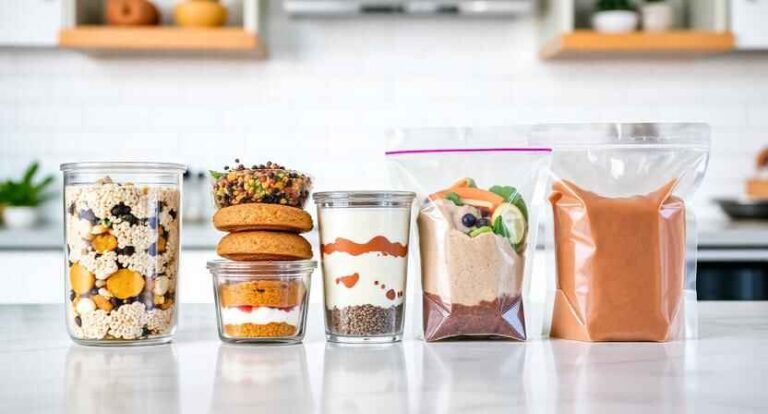
Layer ingredients in mason jars for grab-and-go convenience. Overnight oats, chia pudding, yogurt parfaits, and breakfast salads work perfectly in jars. Prepare 5-7 jars on Sunday for the entire week.
Flexible Base Recipes
Master a few versatile base recipes that can be customized endlessly. Basic egg muffins, plain overnight oats, simple smoothies, and standard whole grain pancakes can be flavored dozens of different ways by changing add-ins, toppings, and seasonings.
Breakfast Combinations for Maximum Energy
| Energy Need | Best Combination | Example Breakfast | Why It Works |
|---|---|---|---|
| Quick Morning Energy | Simple carbs + protein | Banana with peanut butter | Fast-acting fuel with staying power |
| All-Morning Satiety | High protein + fiber | Veggie egg scramble with whole grain toast | Slow digestion prevents hunger |
| Pre-Workout | Moderate carbs + low fat | Oatmeal with berries | Quick energy without digestive stress |
| Post-Workout Recovery | High protein + carbs | Protein smoothie with fruit | Muscle repair and glycogen restoration |
| Mental Focus | Healthy fats + protein | Eggs with avocado | Brain-supporting nutrients |
Troubleshooting Common Breakfast Problems
Problem: Morning Nausea
Some people feel nauseous in the morning and can’t stomach a full breakfast. Start with something small and easy to digest like a smoothie, a piece of fruit, or a handful of nuts. As your body adjusts to eating in the morning, gradually increase portion sizes.
Problem: No Appetite in the Morning
If you’re not hungry when you wake up, you might be eating too much at night. Try eating a lighter dinner earlier in the evening. Also, give yourself time—don’t eat immediately upon waking. Wait 30-60 minutes and your appetite will likely develop.
Problem: Digestive Discomfort
If breakfast causes bloating or discomfort, you might be eating too quickly, consuming too much fiber too fast, or have a food sensitivity. Eat slowly, chew thoroughly, and keep a food journal to identify problematic ingredients.
Mindful Eating at Breakfast
How you eat is nearly as important as what you eat. Practicing mindful eating at breakfast sets a positive tone for the entire day.
Eliminate Distractions
Put away your phone, turn off the TV, and focus on your meal. Notice the colors, textures, aromas, and flavors. This practice increases satisfaction and helps you recognize fullness cues.
Eat Slowly
Take at least 15-20 minutes to eat breakfast. Chew thoroughly and put your fork down between bites. Eating slowly improves digestion and allows satiety signals to reach your brain.
Practice Gratitude
Take a moment to appreciate your food—the effort that went into growing it, preparing it, and bringing it to your table. This simple practice can transform eating from a rushed chore into a nourishing ritual.
Conclusion
Creating a healthy breakfast routine doesn’t have to be complicated or time-consuming. With the right recipes, preparation strategies, and mindset, you can easily establish breakfast habits that support your health, energy, and wellness goals.
Start by choosing 3-5 recipes from this guide that appeal to you and fit your lifestyle. Experiment with make-ahead options like overnight oats and egg muffins for busy weekday mornings. On weekends, try more elaborate preparations when you have extra time. Explore our weekly breakfast meal prep strategies to streamline your routine even further.
Remember that consistency matters more than perfection. You don’t need to eat