
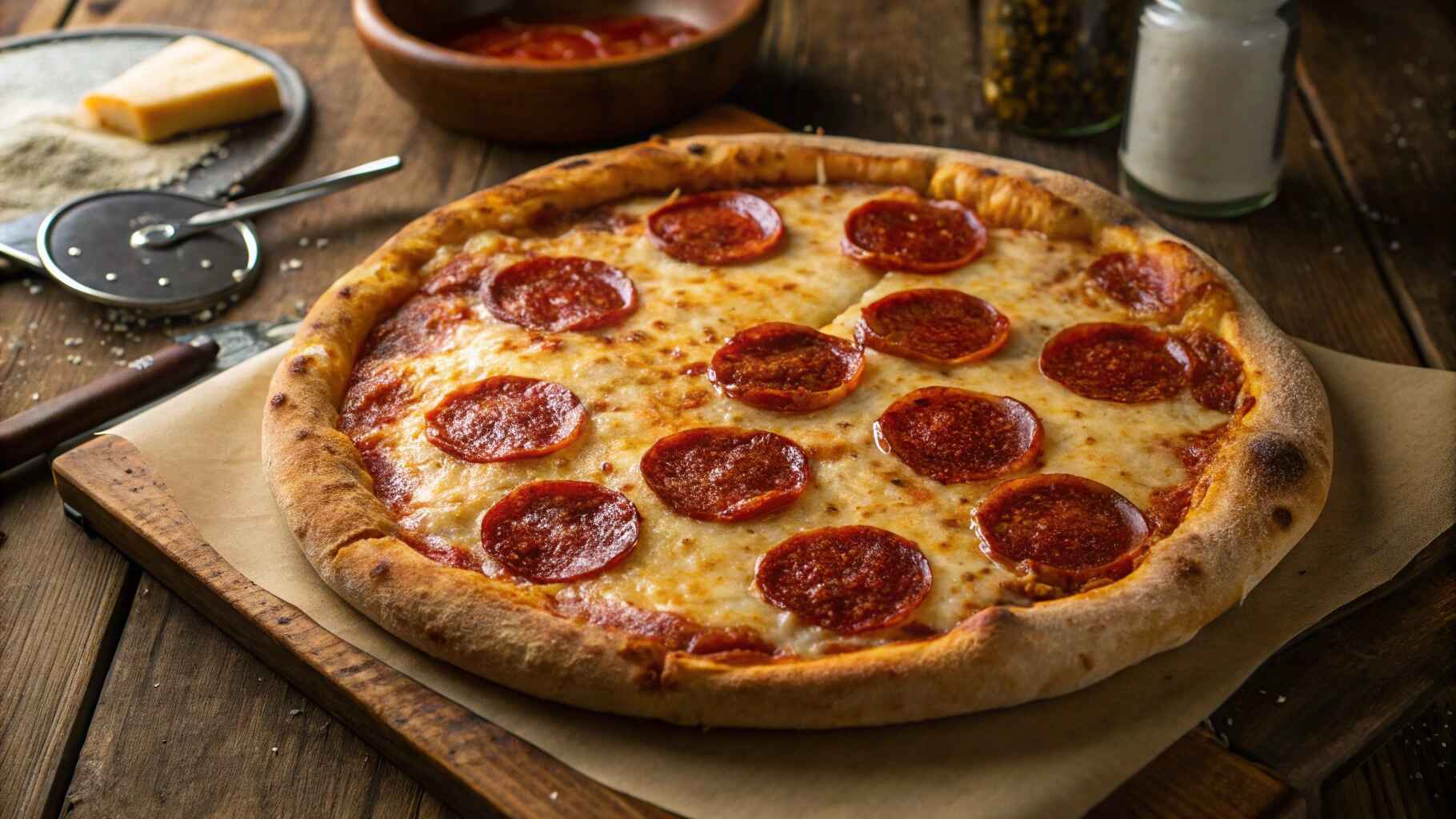
Craving a slice of perfection? 🍕 Pepperoni pizza isn’t just the most popular topping in America—it’s a full-blown obsession. From crispy crusts to melty cheese and spicy curls of pepperoni, this blog covers everything you need to master the ultimate pepperoni pizza. Want pro tips, healthy swaps, and mouthwatering recipes? Let’s dive into the delicious world of everyone’s favorite pie.
Table of Contents
What Makes Pepperoni Pizza So Popular?
The Cultural and Culinary Impact of Pepperoni Pizza
If there’s one dish that feels like a warm hug after a long day, it’s a classic pepperoni pizza. This cheesy, spicy, and slightly greasy slice of heaven has become more than just a meal—it’s a cultural icon. 🍕
Why is it so loved? Because it’s simple yet powerful. The combo of gooey mozzarella, zesty tomato sauce, and that signature pepperoni crunch taps into our comfort food instincts like nothing else. In the U.S. alone, pepperoni tops the list of most-ordered pizza toppings—by a landslide.
Why It Remains a Top Choice Across the U.S.
Pepperoni pizza is like that one song everyone knows the lyrics to. Whether it’s a family movie night or a late-night snack run, it’s the go-to choice. But here’s the real secret: pepperoni does more than just taste good—it delivers balance.
The spicy, fatty, salty pepperoni slices curl up into crispy little cups, trapping flavorful oil that adds richness to every bite. It’s craveable, reliable, and always a crowd-pleaser.
“Pepperoni pizza isn’t just food—it’s comfort, culture, and celebration, all rolled into a single slice.” – Chef Antonio Reyes, Artisan Pizza Specialist
Types of Pepperoni Used in Pizza
Traditional Pepperoni vs. Artisan Varieties
You may think all pepperoni tastes the same—but nope! There’s a huge difference between mass-produced and artisan-style pepperoni. Traditional types are usually made from a blend of pork and beef, seasoned with paprika and chili powder.
On the artisan side, you’ll find thicker cuts, natural casings, and more intense, smoky flavors. Some are aged for weeks, which brings out a deeper umami taste. If you’re curious about food craftsmanship, this is a must-try upgrade for your homemade pie.
Beef vs. Pork Pepperoni: Flavor and Texture Differences
So, what’s better: beef or pork pepperoni? That depends on your vibe.
- Pork Pepperoni: Offers a softer bite, a sweeter aftertaste, and a classic fatty texture.
- Beef Pepperoni: Tends to be drier, chewier, and packs a more robust, peppery punch.
If you’re someone who loves that deep, smoky kick, go beef. But for a meltier, slightly sweet bite, pork wins.
The Best Crusts for Pepperoni Pizza Perfection
Thin Crust, Thick Crust, or Stuffed? Pros and Cons
The crust is your foundation. And just like you wouldn’t build a house on quicksand, choosing the right crust matters.
| Crust Type | Texture | Best For |
|---|---|---|
| Thin Crust | Crispy and crunchy | Highlighting toppings like artisan pepperoni |
| Thick Crust (Pan Style) | Soft and doughy | Hearty meals and cheesy overloads |
| Stuffed Crust | Cheesy, rich | Cheese lovers and indulgent eaters |
How Crust Texture Impacts Pepperoni Pizza Flavor
Think of the crust as the bassline in a song. If it’s too flat or too loud, everything else sounds off. A crunchy crust adds contrast to melty cheese and oily pepperoni, while a chewy one soaks up flavors like a sponge.
Craving something bold and cheesy? Stuffed crust might be your match made in food heaven.
Homemade Pepperoni Pizza: Step-by-Step Recipe
Ingredients You’ll Need for Authentic Taste
Here’s your quick shopping list for one epic pepperoni pizza:
- 2 cups all-purpose flour
- ¾ cup warm water
- 1 packet active dry yeast
- 1 tsp sugar
- ½ tsp salt
- 1 cup pizza sauce (homemade or store-bought)
- 1½ cups shredded mozzarella
- 20-30 slices of quality pepperoni
- 1 tbsp olive oil
Pro Tips for Baking a Crispy, Flavorful Pie
Ready to roll? 🍕 Follow these steps for pizza night success:
- Mix water, yeast, and sugar. Let it sit until foamy.
- Add flour and salt. Knead for 10 minutes, let rise for 1 hour.
- Roll out the dough on a floured surface and transfer to a baking sheet or pizza stone.
- Brush with olive oil, then spread sauce evenly.
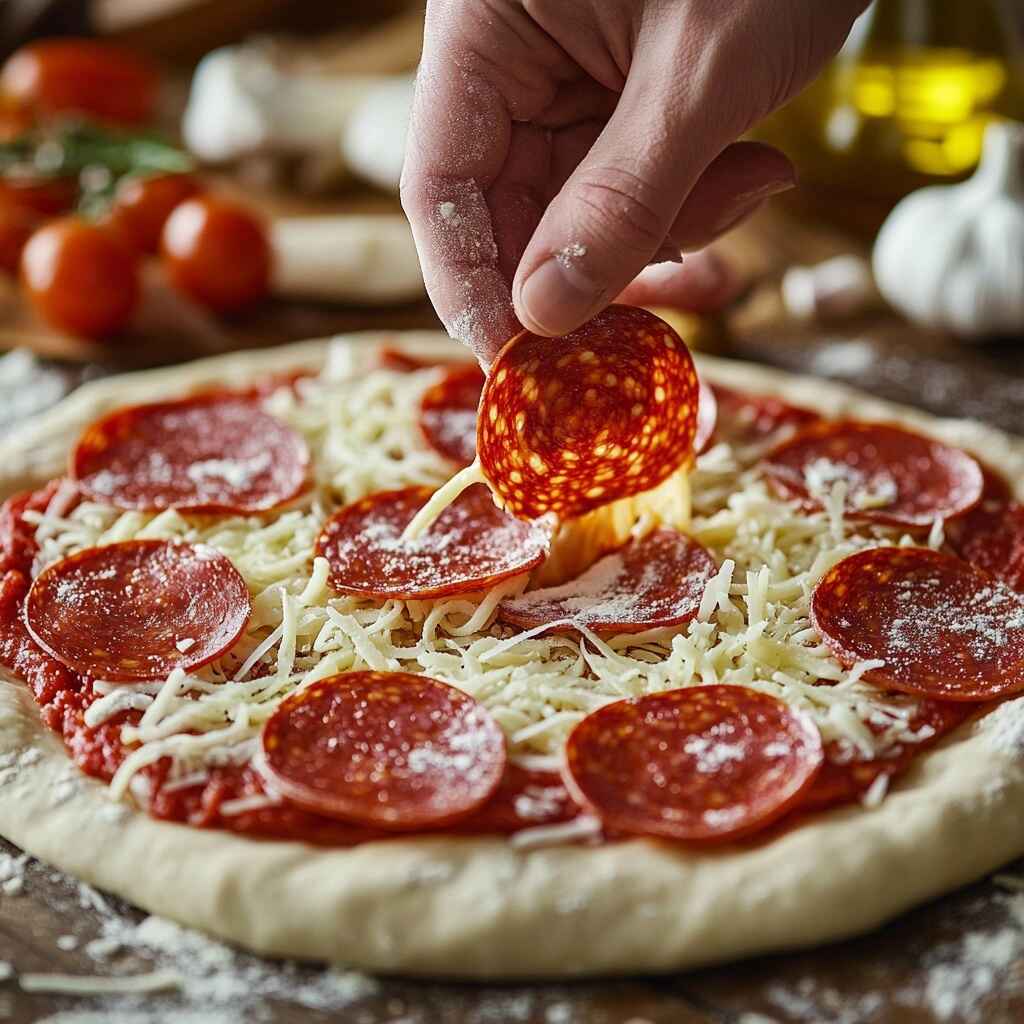
- Add cheese first, then pepperoni. (Yes, cheese first makes it melt better!)
- Bake at 475°F for 12-15 minutes or until bubbly and golden.
If you love trying new styles, you’ll probably enjoy smoky BBQ chicken pizzas too.
Common Pepperoni Pizza Mistakes (And How to Fix Them)
Over-greasing: What Causes It and How to Prevent It
Ever pulled your pizza out of the oven and found a greasy swimming pool in the center? That’s over-greasing—and it usually means your pepperoni is too thick, or your oven isn’t hot enough to crisp it.
💡 Fix it: Use thinner pepperoni slices and preheat your oven to at least 475°F. You can also pre-cook pepperoni for a couple of minutes to draw out excess oil before adding it to the pizza.
Undercooked or Overbaked? Troubleshooting Oven Temperatures
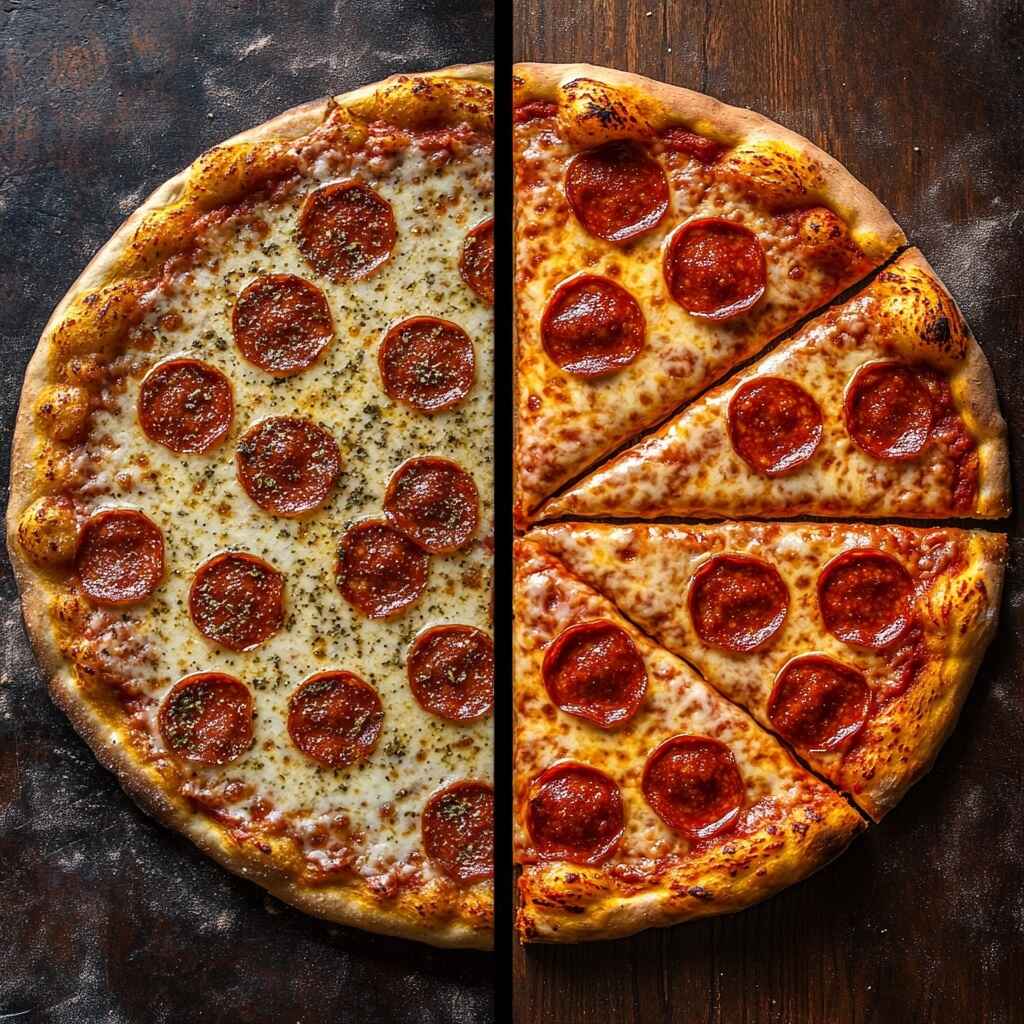
Baking at the wrong temp is like trying to toast bread with a flashlight—it just doesn’t work. If your crust is pale and doughy, you need a hotter oven or longer bake. If it’s burnt and dry? Cool it down or reduce bake time.
Quick hack: use a pizza stone or steel to get a crispier bottom without burning the top. Want more savory crust inspiration? Don’t miss these creative pizza twists with crescent rolls.
How to Make Pepperoni Pizza Healthier Without Losing Flavor
Lower-Calorie Ingredients and Smarter Toppings
Being health-conscious doesn’t mean giving up pizza. Swap regular pepperoni for turkey pepperoni or plant-based options. Use light mozzarella or mix it with part-skim ricotta to keep things creamy.
Whole Wheat Crusts and Reduced-Fat Cheese Options
Whole wheat dough isn’t just nutritious—it adds a nutty flavor that pairs beautifully with spicy pepperoni. Combine that with low-moisture part-skim mozzarella, and you’ve got a pizza that’s both guilt-free and delicious.
“You don’t have to ditch pepperoni to eat better. Just tweak the building blocks!” – Lindsay Rhodes, Nutritionist & Food Blogger
Want more better-for-you ideas? Try this sweet potato soup recipe as a comforting side dish.
Pepperoni Pizza for Special Diets (Gluten-Free, Keto, Vegan)
Best Gluten-Free Dough Alternatives
Gone gluten-free? No worries—you don’t have to give up pizza night. In fact, some gluten-free crusts are so good, even wheat lovers can’t tell the difference. Look for blends made with rice flour, almond flour, or cauliflower.
Want to DIY it? Mix almond flour, mozzarella, cream cheese, egg, and baking powder for a keto-friendly “fathead” dough that’s chewy and crisp.
For inspiration, check out these gluten-free pizza recipes that are anything but boring.
Vegan Pepperoni Brands That Actually Taste Good
Vegan pepperoni? Yep, it’s a thing—and it’s getting tastier every year. 🌱 Made with ingredients like wheat gluten, soy protein, or even jackfruit, these meat-free alternatives mimic the savory punch of traditional pepperoni with none of the animal products.
Top picks include:
- Field Roast Classic Smoked Pepperoni
- Yves Veggie Pepperoni
- Sweet Earth Plant-Based Pepperoni
Pair that with vegan mozzarella and a crispy cauliflower crust, and you’re golden.
Store-Bought vs. Homemade: Which Pepperoni Pizza Reigns Supreme?
Cost, Convenience, and Customization Compared
Let’s be real—sometimes you just want to throw a pizza in the oven and chill. Store-bought pizzas win on convenience. But homemade? That’s where the magic happens.
| Factor | Store-Bought | Homemade |
|---|---|---|
| Cost | $5-$12 | $3-$7 per pizza |
| Time | 15-20 mins | 1-2 hours (including prep) |
| Flavor | Good (often standard) | Customizable & fresh |
If you enjoy kitchen creativity, making your own is the clear winner. But if time’s tight, brands like Screamin’ Sicilian and California Pizza Kitchen deliver decent flavor fast.
Taste Test: Homemade Pizza vs Top Frozen Brands
In blind taste tests, homemade pizza consistently wins on flavor depth, freshness, and texture. Frozen versions can be too salty, with artificial ingredients or rubbery cheese. However, premium brands with wood-fired crusts are narrowing the gap.
Here’s a pro tip: add fresh pepperoni and cheese to frozen pizza before baking to upgrade the taste instantly. 🔥
Expert Tips for Next-Level Pepperoni Pizza
Chefs’ Secrets for Layering Toppings the Right Way
Want a pizza that looks (and tastes) like it came from an Italian trattoria? It’s all about the layering.
- Sauce first, always. Spread it thinly so the crust doesn’t get soggy.
- Then cheese. It acts as a “glue” to hold the pepperoni in place.
- Top with pepperoni. Let the edges curl and crisp in the oven.
Finish with a pinch of chili flakes or a drizzle of hot honey for extra wow factor.
Using a Pizza Stone or Steel for Better Results
Think your oven isn’t good enough for restaurant-quality pizza? Think again. A pizza stone or steel is a game-changer. It holds intense heat and cooks the crust from the bottom up, giving you that beautiful golden underside.
Preheat it for 45 minutes at 500°F before baking. And use parchment paper to make sliding the pizza on and off super easy.
Want more clever kitchen tools? Check out this guide to pizza peels for all the gear you need.
Case Study: How One Home Cook Perfected Their Pepperoni Pizza
Mistakes Made and Lessons Learned
Meet Jamie, a high school student who spent three months perfecting their pepperoni pizza skills during lockdown. The first few attempts? Let’s just say the smoke detector wasn’t happy. 😂
Here’s what Jamie learned:
- Don’t overload the sauce – It makes the crust soggy and messy.
- Pre-cook pepperoni – It helps reduce grease and ups the crisp factor.
- Let the dough rest – It makes stretching easier and prevents tearing.
Before and After: Photos and Results
Jamie’s first pizza was a shapeless blob with uneven toppings. But with patience, a good recipe, and a little trial and error, the final product looked Instagram-worthy. The crust was golden brown, the cheese bubbly, and the pepperoni perfectly cupped and crispy.
“If I can go from frozen pizza rookie to homemade hero, anyone can. It just takes a little practice and a lot of love.” – Jamie Rivera, Teenage Pizza Enthusiast
🧠 Final Note
Whether you’re new to the kitchen or a seasoned pizza pro, pepperoni pizza offers endless possibilities. From crust types and topping layers to dietary tweaks and flavor enhancements, the perfect slice is only a few steps away.
If you’re looking for more family-friendly lunch ideas, you might also enjoy this hearty chicken and rice casserole—a warm and filling option just like your favorite pizza night.
Conclusion
From artisan pepperoni and perfect crusts to vegan swaps and homemade hacks, pepperoni pizza is endlessly customizable—and always delicious. Ready to take your pizza game to the next level? Share your favorite toppings, explore our other tasty lunch recipes, and subscribe for more flavor-packed guides. Because great pepperoni pizza isn’t just made—it’s mastered. 🍕
FAQs
What is pepperoni made of?
Pepperoni is typically made from a mix of pork and beef, seasoned with paprika, garlic, and chili powder. Some versions use turkey or plant-based alternatives.
Why does pepperoni curl on pizza?
When cooked, the edges of pepperoni shrink faster than the center, causing it to curl. This creates those iconic crispy cups that hold flavorful oil.
How can I make pepperoni pizza less greasy?
Use thinly sliced pepperoni or pre-cook it to reduce oil. Also, baking on a hot pizza stone helps cook off excess grease for a cleaner bite.
What’s the best cheese for pepperoni pizza?
Low-moisture mozzarella is the classic choice. It melts evenly, browns nicely, and complements the spicy flavor of pepperoni perfectly.
Can I make pepperoni pizza with a gluten-free crust?
Yes! Gluten-free options like cauliflower, almond flour, or rice flour crusts work well. Just make sure to pre-bake them slightly for a firmer base.
Is turkey pepperoni healthier than regular pepperoni?
Yes, turkey pepperoni usually has less fat and fewer calories. It’s a great option for lighter pepperoni pizza without sacrificing much flavor.